Kitchen Make-Up Air System Guide: Everything You Need to Know for Commercial Kitchens
Kitchen Make-Up Air System Guide
The Complete Guide to Commercial Kitchen Make-Up Air Systems
Commercial kitchens generate a significant amount of heat, grease, smoke, moisture, and airborne contaminants every day. Restaurants, hotels, central kitchens, school cafeterias, factory canteens, barbecue restaurants, and hot pot restaurants all rely on efficient ventilation systems to maintain a safe and comfortable working environment.
One of the most critical yet often overlooked components of commercial kitchen ventilation is the Kitchen Make-Up Air System.
Without sufficient fresh air supply, exhaust systems create excessive negative pressure, reducing exhaust efficiency, increasing energy consumption, and making kitchens unbearably hot.
This comprehensive guide explains everything you need to know about commercial kitchen make-up air systems and how LCCFAIR provides professional cooling and ventilation solutions for modern commercial kitchens.
Table of Contents
- What Is a Kitchen Make-Up Air System?
- Why Commercial Kitchens Need Make-Up Air
- What Causes Negative Pressure?
- Signs Your Kitchen Needs More Fresh Air
- Types of Kitchen Make-Up Air Systems
- Commercial Kitchen Air Conditioning vs Make-Up Air Systems
- How to Size a Make-Up Air System
- Industry Applications
- Why Choose LCCFAIR
- Frequently Asked Questions
What Is a Kitchen Make-Up Air System?
A kitchen make-up air system replaces the air removed by exhaust hoods with filtered outdoor air.
Every commercial kitchen exhaust hood continuously extracts smoke, grease, odors, steam, and hot air. If this exhausted air is not replaced, the kitchen develops negative pressure.
Negative pressure can cause:
- Poor exhaust performance
- Excessive kitchen temperatures
- Smoke escaping into dining areas
- Difficult door operation
- Increased HVAC operating costs
- Reduced employee comfort
- Lower cooking efficiency
A properly designed make-up air system restores air balance while improving comfort and indoor air quality.
Why Is Kitchen Make-Up Air So Important?
Many restaurant owners assume that installing larger exhaust fans solves ventilation problems.
In reality, increasing exhaust without supplying replacement air often makes the problem worse.
A balanced ventilation system should:
- Maintain proper indoor air pressure
- Improve exhaust hood capture efficiency
- Reduce kitchen temperatures
- Deliver fresh outdoor air
- Lower energy consumption
- Improve employee productivity
- Extend equipment life
Common Causes of Kitchen Negative Pressure
Commercial kitchens often experience negative pressure because of:
- Oversized exhaust systems
- Insufficient fresh air supply
- Poor ventilation design
- Closed doors and windows
- Aging ventilation equipment
Typical symptoms include:
- Doors difficult to open
- Strong drafts
- Smoke leaks
- Poor cooking comfort
- Extremely hot kitchen environments
Types of Commercial Kitchen Make-Up Air Systems
Several solutions are commonly used:
Natural Fresh Air
Uses windows or wall openings.
Advantages:
- Low installation cost
Disadvantages:
- Poor airflow control
- Weather dependent
- Not suitable for professional kitchens
Mechanical Make-Up Air Systems
Fresh air is supplied through dedicated fans.
Advantages:
- Stable airflow
- Balanced pressure
- Better ventilation efficiency
Evaporative Fresh Air Cooling Systems
Also known as water-cooled fresh air systems.
Advantages:
- Supplies fresh outdoor air
- Low operating cost
- Significant temperature reduction
- Energy efficient
- Suitable for hot climates
This technology is increasingly popular for restaurants, factory workshops, and commercial kitchens.
Commercial Kitchen Air Conditioning
Commercial kitchen air conditioners provide localized cooling while maintaining comfortable working conditions for kitchen staff.
Unlike conventional air conditioners, professional kitchen air conditioning systems are specifically designed to withstand:
- High temperatures
- Grease-laden environments
- Continuous operation
- Commercial cooking conditions
Commercial Kitchen Air Conditioning vs Make-Up Air Systems
Many facilities benefit from combining both systems.
A make-up air system balances airflow and improves ventilation.
A commercial kitchen air conditioner directly cools employees and work areas.
Together they provide:
- Better comfort
- Lower temperatures
- Improved air quality
- Reduced operating costs
- Enhanced employee productivity
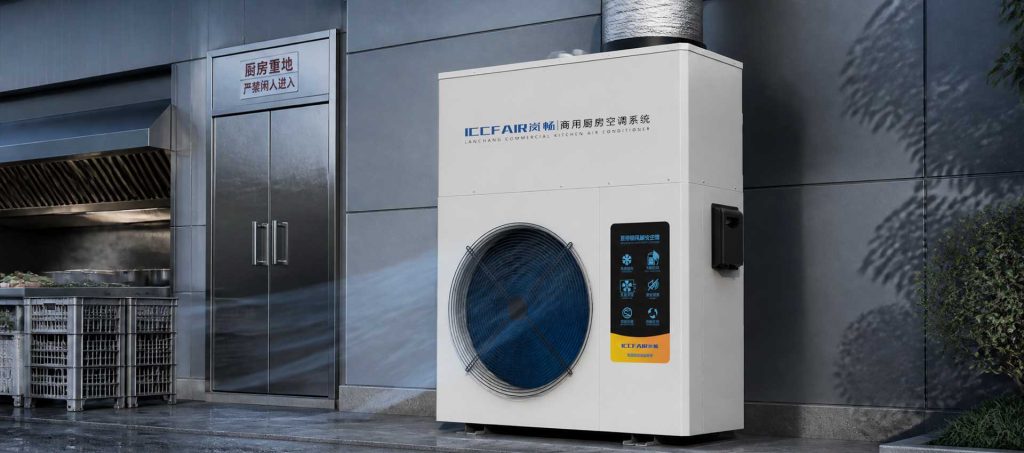
LCCFAIR Commercial Kitchen Cooling Solutions
LCCFAIR specializes in integrated environmental control solutions for commercial kitchens.
Our product portfolio includes:
- Commercial Kitchen Air Conditioners
- Kitchen Make-Up Air Systems
- Water-Cooled Fresh Air Units
- Kitchen Ventilation Solutions
- Kitchen Supply Air Systems
- Negative Pressure Solutions
- Commercial Air Cooling Equipment
Our systems are designed for:
- Restaurants
- Hotels
- Central Kitchens
- School Cafeterias
- Hospital Kitchens
- Factory Canteens
- Hot Pot Restaurants
- BBQ Restaurants
- Internet Cafés
- Billiard Halls
- Industrial Workstations
- Manufacturing Facilities
With years of industry experience, LCCFAIR helps customers create safer, cooler, and more energy-efficient working environments while reducing operating costs and improving employee comfort.
Why Choose LCCFAIR?
LCCFAIR offers more than products—we provide complete commercial kitchen climate solutions.
Advantages include:
- Professional engineering support
- Energy-efficient technology
- Customized ventilation design
- Reliable cooling performance
- Durable commercial-grade equipment
- Nationwide project experience
- OEM & ODM manufacturing capabilities
Frequently Asked Questions
What is kitchen make-up air?
Kitchen make-up air replaces exhausted air with fresh outdoor air to maintain balanced indoor pressure.
Why does my commercial kitchen feel so hot?
Heat buildup is often caused by inadequate ventilation, insufficient make-up air, and excessive negative pressure.
Can make-up air reduce kitchen temperature?
Yes. Properly designed systems introduce cooler outdoor air and improve ventilation efficiency.
What is the difference between kitchen air conditioning and make-up air?
Kitchen air conditioning cools occupied work areas, while make-up air balances ventilation and replaces exhausted air.
Which industries use make-up air systems?
Restaurants, hotels, central kitchens, schools, hospitals, food processing plants, factories, internet cafés, billiard halls, and many other commercial facilities.
Conclusion
A properly designed commercial kitchen make-up air system is essential for maintaining a comfortable, safe, and energy-efficient working environment.
By combining advanced ventilation technologies with professional commercial kitchen air conditioning, businesses can significantly improve indoor air quality, employee productivity, and operational efficiency.
LCCFAIR (Shenzhen Lanchang Technology Co., Ltd.) is committed to providing innovative commercial kitchen cooling and ventilation solutions, including commercial kitchen air conditioners, water-cooled fresh air systems, make-up air units, and customized negative pressure solutions for customers worldwide.
